How to Start a Business in Georgia (8-Step Process)

Georgia is one of the better states to start a business right now — low corporate taxes, a fast-growing economy, and a Secretary of State's office that doesn't make you jump through unnecessary hoops.
I've worked with dozens of first-time founders getting their businesses off the ground in Georgia, and the process is more manageable than most people expect. The key is knowing which steps matter most and in what order.
Here's a complete breakdown of how to start a business in Georgia — no fluff, just what you actually need to do.
Start an LLC instead? See our guide on how to start an LLC in Georgia.
Quick Summary
- Choosing the right business structure is crucial, whether it's an LLC, Corporation, Sole Proprietorship, or another option.
- In New York, nearly 75% of new businesses are formed as LLCs due to the legal protections they offer.
- Once you’ve decided, register your business with the Georgia Secretary of State.
Step-by-Step Georgia Business Formation Process

Step 1: Choose Your Business Structure
Your business structure determines how you're taxed, how much personal liability you carry, and how much paperwork you deal with every year. Get this right before you do anything else.
Here's a simple table that breaks down these structures and their tax implications:
| Business Structure | Liability Protection | Tax Benefits | Registration Requirements |
|---|---|---|---|
| LLC | Yes | Flexible | Low |
| Corporation | Yes | Taxed as entity | Higher |
| Sole Proprietorship | No | Personal taxes | No formal registration |
| Partnership | No | Pass-through | Low |
| LLP | Yes | Pass-through | Moderate |
| Non-Profit | Yes | Tax-exempt | Higher |
Step 2: Name Your Business
You can't just pick any name — Georgia requires that your business name be unique and follow structure-specific rules. Check availability first through the Georgia Secretary of State's website before you fall in love with a name.
Georgia Name Requirements:
Each business type has its own naming rules in Georgia:
- LLCs must include "LLC" or "Limited Liability Company" in the name.
- Corporations must include "Corporation," "Inc.," or "Incorporated."
- Limited Partnerships (LPs) must include "Limited Partnership" or "LP."
- Limited Liability Partnerships (LLPs) must include "Limited Liability Partnership" or "LLP."
- Sole Proprietorships don't have specific naming requirements, but can't use terms like "LLC" or "Inc."
- Partnerships must use "Partnership" or "LLP" in the name if applicable.
- Nonprofits must include "Incorporated" or "Inc." and should avoid profit-driven terms like "LLC" or "Corporation."
Run a name search through the Georgia Corporations Division online database before you commit. This confirms your name isn't already taken or too close to an existing business in the state.
One more thing: it's worth filing for a federal trademark with the U.S. Patent and Trademark Office (USPTO) if your brand name matters to you long-term. State registration doesn't protect you outside Georgia.
Step 3: Register Your Business
Once you've settled on a name, you'll file your business with the Georgia Secretary of State. What you file depends on your structure.
LLCs file the Articles of Organization and should have an Operating Agreement ready to go. Corporations file the Articles of Incorporation and need to draft Bylaws.
Forming a Partnership? You'll need a Partnership Agreement. Sole Proprietorships don't require any formal filing — it's the simplest route, but it also offers the least protection.
Nonprofits file the Articles of Incorporation and submit IRS Form 1023 to apply for tax-exempt status [1].
Filing happens online through the Georgia Secretary of State's website. Fees run between $100 and $150 depending on your business type, and processing typically takes 7–10 business days.
One thing I've seen first-time founders overlook: all Georgia LLCs and corporations must designate a registered agent. This person or entity receives legal documents and official communications on behalf of your business. They need to be a Georgia resident or a domestic/foreign corporation registered in Georgia, and they must have a physical street address in the state — a P.O. Box won't cut it.
Step 4: Write an Operating Agreement
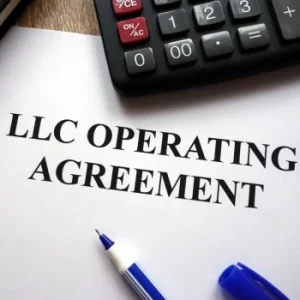
An operating agreement spells out how your LLC runs — ownership percentages, member roles, how profits get distributed, and how decisions get made. Think of it as the rulebook for your business before any disputes arise.
Georgia doesn't legally require LLCs to have one, but skipping it is a mistake I'd strongly advise against. Without it, you're relying on Georgia's default LLC rules, which may not reflect what you actually want. A solid operating agreement separates your business from your personal assets and gives you something to point to if a co-founder disagreement ever gets ugly. You can draft your own or work with a business attorney — either way, don't skip this step.
Step 5: Get Federal and Georgia State Tax IDs
After registration, you'll need a Federal Employer Identification Number (EIN) from the IRS. This is your business's tax ID — you'll use it to open a bank account, hire employees, and file taxes.
You'll also need a Georgia State Tax ID if you're selling goods, hiring employees, or withholding taxes. Apply through the Georgia Tax Center (GTC).
Critical Georgia Tax Information [2]:
- Income Tax Rates: Georgia has a flat income tax rate of 5.39% for both individuals and corporations as of 2024, down from the previous 5.75%. The corporate income tax rate is 5.19% for corporations that own property, do business in Georgia, or receive income from Georgia sources.
- Sales Tax: Georgia's base sales tax rate is 4.0%, but local municipalities can add between 0% and 4%, so your total combined rate depends on where you're operating.
- Partnership Tax: Partnerships that own property, do business in Georgia, or receive income from Georgia sources are subject to a 5.19% income tax if they elect to pay at the entity level.
Step 6: Open a Business Bank Account
To keep your personal and business finances separate, you'll need a business
Why Start a Business in Georgia?
Georgia has a reputation for being one of the more business-friendly states in the South — and it's earned. Here's why it's worth considering when you start a business:
1. Economic Advantages
Georgia offers real tax incentives and low corporate taxes. For small businesses watching every dollar in year one, that matters. Those savings can go straight back into operations rather than to the state.
2. Market Opportunities
Atlanta alone is one of the fastest-growing metro areas in the country. That means a large, diverse customer base — and real room to grow. If you're building something consumer-facing, the market is there.
3. Infrastructure Benefits
Georgia is a logistics powerhouse. Hartsfield-Jackson Atlanta International Airport is the busiest in the world, and the state's port and highway system is built for moving goods fast. If your business involves physical products, that's a genuine operational advantage.
Employment and Labor Laws

If you're planning to hire, here's what Georgia requires:
- Minimum Wage is $7.25 per hour, matching the federal minimum wage.
- Workers' Rights are protected under both federal and state law.
- Employment Verification must be completed through I-9 and E-Verify systems.
Financing Your Georgia Business
Funding options in Georgia are broader than most first-time founders realize:
1. State-Specific Funding Programs
Georgia runs a range of economic development programs — tax credits, grants, and loans — aimed specifically at new businesses. These aren't just for large companies. Small businesses can access real money here, and it's worth checking what you qualify for before you go looking elsewhere.
2. Small Business Administration (SBA)
The SBA offers low-interest loans, grants, and business planning resources for small businesses. If you don't qualify for traditional bank financing yet, the SBA is usually the next best option — and often has better terms than you'd expect.
3. Traditional Lending Options
Local banks and credit unions in Georgia offer business loans with terms that vary by lender. Compared to big national banks, local institutions often give you more flexibility and a faster decision. If you have an established relationship with a local bank, start there.
Common Mistakes to Avoid
I've seen these same mistakes come up over and over with Georgia business owners — don't let them catch you off guard:
- Ignoring state-specific compliance requirements — Georgia has its own rules, and "I didn't know" won't save you from a fine
- Tax filing errors from not understanding how Georgia's flat tax and local sales tax rates actually work
- Missing local permits — state registration doesn't automatically cover you at the city or county level
- Skipping workers' compensation and other business insurance until it's too late
Ongoing Compliance Requirements
Getting registered is the start, not the finish. Here's what you need to keep up with:
- Annual Reports and Filings: Most Georgia businesses are required to file annual reports. Missing these can put your business in bad standing with the state.
- Business Tax Deadlines: Track your sales tax and payroll tax deadlines carefully — late filings come with penalties.
- License Renewals: Business licenses don't renew themselves. Set a reminder so you're not scrambling at the last minute.
Case Studies/Success Stories

1. Delta Air Lines
Delta Air Lines built itself into a global carrier from its Georgia base — and Georgia's infrastructure had a lot to do with it. Low corporate taxes kept operational costs down, and having Hartsfield-Jackson in Atlanta gave Delta a natural hub for international expansion. The state's pro-business policies made it easier to reinvest in new technology and grow faster than it might have elsewhere.
2. Coca-Cola
Coca-Cola has called Atlanta home since 1892, and Georgia's business environment has consistently supported its growth. Access to major logistics networks made distribution manageable at scale. Favorable tax rates freed up capital to expand into new markets and develop new products — which is a big part of how a Georgia-born company became one of the most recognized brands on the planet.
FAQs
1. How Long Does it Take To Start a Business in Georgia?
It typically takes 7-10 days to start a business in Georgia.
2. What Are the Total Costs Involved?
The total costs involved in starting a business in Georgia typically range from $1,000 to $10,000, depending on factors like business type and location. This includes costs for registration, permits, insurance, legal and accounting fees, and marketing expenses.
3. Do I Need a Lawyer to Start a Business?
No, you do need a lawyer to start a business, but consulting with a lawyer can help avoid mistakes.
4. How Do I Find Customers in Georgia?
To find customers in Georgia, use digital marketing, attend local events, and network within your industry.
5. What Are the Biggest Challenges for New Businesses?
The biggest challenges for new businesses is finding financing and complying with local Georgia laws.
Georgia gives you a lot to work with — low taxes, a large market, and an infrastructure that actually supports running a business. Follow the steps in this guide and you'll have a legally registered, properly structured business faster than you'd expect.
The biggest mistake most people make is stalling. Pick your structure, check your name, file your paperwork. The whole process can be done in under two weeks for most business types.
---
References:
- https://www.501c3.org/state-nonprofit-guide/how-to-start-a-nonprofit-in-georgia/
- https://dor.georgia.gov/taxes/taxes-business